PAWPAW FARMING
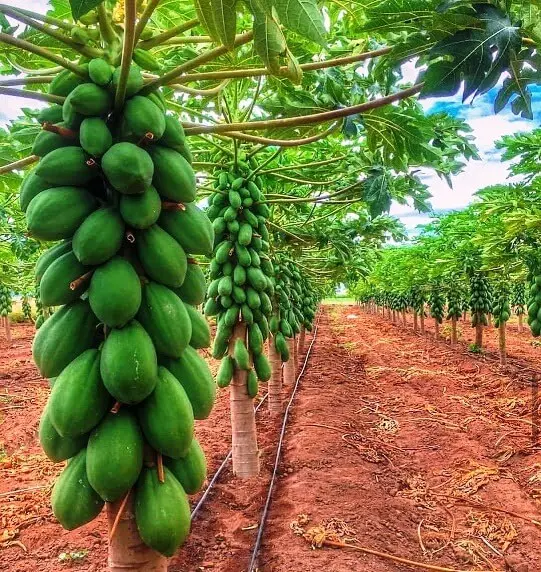
Pawpaw farming in Kenya is a viable and profitable agricultural venture, especially with the introduction of high-yielding dwarf varieties. These varieties, like Calina Papaya IPB9, Malaysian Red Lady, and Red Royal, are known for their self-pollinating nature, large fruit size, and attractive red flesh. Pawpaws thrive in tropical and subtropical climates with temperatures between 20-35°C and an altitude below 2100m.
Key Aspects of Pawpaw Farming in Kenya:
· Climate and Soil:
· Pawpaws flourish in warm, frost-free areas with well-drained soil. The ideal temperature range is 25-30°C, and the crop requires consistent moisture, especially during flowering and fruiting.
· Land Preparation:
· Clear the land, plow, and harrow to create a suitable seedbed. Dig planting holes (60cm x 60cm x 60cm) and enrich the soil with manure and fertilizer.
· Planting:
· Transplant seedlings at 2-3 months old (around 15cm tall) to minimize transplant shock. Space plants 2m x 2m for optimal growth.
· Watering and Irrigation:
· Pawpaws need consistent moisture. Irrigation is crucial, especially during dry periods, to maintain adequate soil moisture.
· Fertilizing:
· Organic fertilizers like manure, Safi Sarvi, or other organic blends are beneficial for long-term soil health and nutrient release.
· Pest and Disease Control:
· Be vigilant for pests like fruit flies and diseases. Implement appropriate control measures, including using certified seedlings and practicing good farm hygiene.
· Harvesting:
· Pawpaws can be harvested 6-11 months after planting, with the time to maturity influenced by the climate.
· Marketing:
· Several varieties are popular in Kenya, with Vega being highly sought after for its sweetness.
FINANCIAL CONSIDERATIONS
· Investment:
· Land preparation, hole preparation, manure, seedlings, and other inputs can cost fairly.
· Returns:
· Acre yields can reach 40 tons per year, and with prices ranging from Ksh 30-60 per kg, farmers can achieve significant revenue.
· Profitability:
· Pawpaw farming is considered profitable due to the high yield and market demand.
TIPS FOR SUCCESS:
· Choose high-yielding, pest-resistant varieties like the dwarf varieties mentioned above.
· Ensure proper soil preparation and nutrient management.
· Maintain consistent irrigation and moisture levels.
· Implement effective pest and disease control strategies.
· Explore local and regional markets for your produce.